
Carpentry Work
-
Design Consultation: The process typically begins with a design consultation where the carpenter works closely with the client to understand their vision, requirements, and preferences. This involves discussing the purpose of the project, desired style, dimensions, materials, and any specific features or details.
-
Custom Design and Planning: Based on the client’s input, the carpenter creates a custom design plan. This includes detailed drawings, measurements, and specifications. The design plan takes into account both the functional and aesthetic aspects of the project.
-
Material Selection: Custom carpentry work allows for a wide range of material options. The carpenter helps the client choose the most suitable wood species, finishes, and additional materials, such as hardware or upholstery, based on factors like durability, style, and budget.
-
Fabrication and Construction: Once the design plan and materials are finalized, the carpenter begins the fabrication process. This involves cutting, shaping, and joining the wood pieces to create the desired structure or furniture item. Traditional woodworking tools, such as saws, chisels, and routers, are used to shape the wood, while joinery techniques like mortise and tenon or dovetail joints are employed for strong and durable construction.
-
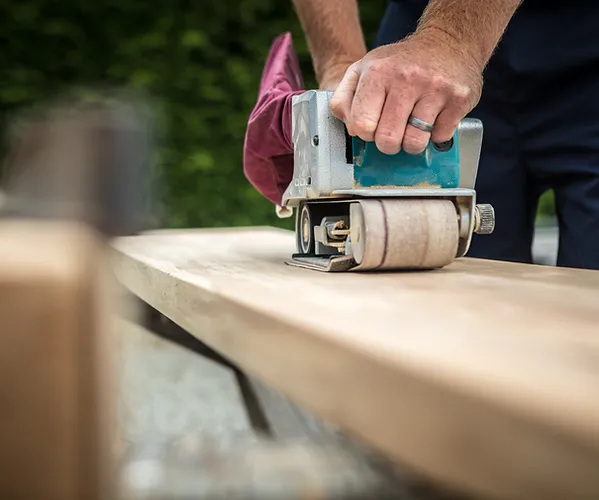
Finishing and Detailing: Custom carpentry work often includes intricate detailing and finishing touches. This can involve sanding the surfaces to achieve a smooth finish, applying stains or paint for color and protection, and adding decorative elements like carvings or inlays.
-
Installation and Assembly: Depending on the nature of the project, the carpenter may handle the installation and assembly of the finished piece. This includes ensuring proper fit, stability, and functionality. For larger installations or renovations, coordination with other tradespeople or contractors may be required.
-
Customization and Personalization: One of the main advantages of custom carpentry work is the ability to tailor the project to the client’s unique needs and style. Whether it’s built-in cabinetry, bespoke furniture, or custom architectural features, the carpenter focuses on creating a one-of-a-kind piece that reflects the client’s individual taste and complements the overall design of the space.